A Solana user approves a token swap on a decentralized exchange, signs what appears to be a routine transaction, and discovers hours later that their wallet has been drained. The culprit was not a stolen recovery phrase or a compromised device, but a malicious smart contract hidden inside a transaction that the wallet interface failed to explain clearly. This scenario is neither hypothetical nor unique to inexperienced traders. Even sophisticated users can miss authorization requests embedded in complex contract calls, especially when wallet interfaces prioritize speed over clarity.
The Solflare wallet extension addresses this vulnerability through transaction preview and signature verification tools designed to surface what is actually being signed before the user commits to it. These features do not eliminate all risks—no wallet can prevent a user from deliberately signing a malicious transaction—but they substantially reduce the likelihood of accidental approval of unauthorized token transfers, contract permissions, or NFT sales. Understanding how transaction previews and signature verification work reveals not just what protections the wallet provides, but what each user remains responsible for catching themselves.

Why transaction preview matters on Solana
Solana’s transaction model differs from Ethereum in ways that make clarity especially important. A single Solana transaction can include multiple program instructions, and each instruction can invoke different smart contracts with different consequences. A user might intend to swap tokens through one DEX but unknowingly authorize a permanent allowance on a malicious contract bundled into the same call. The Solflare wallet extension decodes these instructions and displays them in human-readable form before the user signs.
The standard risk is the infinite approval pattern. When a user approves a smart contract to spend their tokens, they often grant a nearly unlimited allowance rather than a specific amount for a single transaction. This convenience choice creates a persistent vulnerability: if the contract is later compromised, or if the approval was granted to a fraudulent site, every token held in that account becomes exposed until the approval is revoked. On Solana, token approvals follow a similar logic but operate through different instruction types, which makes them easier to miss if the wallet merely shows “Sign Transaction” without breaking down what will happen.
Transaction previews flatten that opacity. Instead of presenting a generic signature request, the Solflare wallet extension analyzes each instruction and shows what program is being called, what data is being passed, and what permissions are being granted. For a token swap, a user sees the exact input token amount, output token amount or minimum slippage, and the receiving address. For an approval, they see which contract is being granted access and, ideally, the maximum amount it can spend. This is not foolproof—a preview can only show what the contract is supposed to do, not what it will actually do once executed—but it removes the cover that unclear interfaces provide to lazy mistakes.
The benefit accumulates across routine wallet interactions. Staking SOL, minting NFTs, interacting with lending protocols, and trading on decentralized exchanges all generate transactions that may appear simple but involve multiple instructions. A preview system that decodes these consistently trains users to expect clarity and to pause when the preview does not match their intention. Over time, this habit becomes a form of active defense.
How signature verification protects against malicious contracts
Signature verification in the Solflare wallet extension goes beyond displaying what a transaction will do. It attempts to identify when a transaction’s actual behavior diverges from what a user reasonably expects. This is a harder problem than it sounds. A contract may have been audited and found secure, but then later updated with malicious code. An attacker may create a contract that behaves normally under certain conditions and steals funds under others. No static analysis can catch every trap.
What the wallet can do is flag unusual patterns. If a transaction requests permission to transfer user funds to an address outside the expected flow, the Solflare wallet extension can highlight this as a warning. If an approval amount is unusually large, or if a token operation attempts to interact with an address that has not been previously seen in the user’s transaction history, the signature verification system can increase the scrutiny level. The goal is not to make decisions for the user, but to ensure that the user sees anomalies before they approve.
The implementation also benefits from Solana’s simpler transaction structure compared to Ethereum. Because a Solana transaction specifies all accounts that will be accessed upfront, the wallet can validate that the transaction will not attempt surprise interactions. If a transaction claims it will swap Token A for Token B but the accounts listed include addresses not involved in that swap, something is wrong. This is not a guarantee—a sophisticated attack might still obscure its true intent—but it raises the barrier from casual deception to targeted manipulation.
Users should understand what signature verification does not do. It does not validate that a contract is secure or that a DEX is legitimate. It does not prevent a user from deliberately approving a malicious contract. It does not protect funds that have already been authorized to a compromised contract. What it does is make careless authorization harder by forcing clarity before the signature is committed.
Common attack vectors that transaction previews help prevent
The most common attack on Solana wallet users is the hidden authorization. A user visits a website that appears to be a legitimate DEX or NFT marketplace, clicks “Swap” or “Buy,” and is presented with a transaction to sign. If the wallet merely shows “Sign Transaction” without detail, the user might not notice that the transaction includes an instruction granting permanent spend approval to an attacker-controlled contract. By the time the swap completes, the approval is already in place.
The Solflare wallet extension’s transaction preview would display this as separate steps: first, an approval instruction granting the attacker permission to spend the user’s tokens, and then the swap. Seeing these as distinct operations makes the user more likely to stop and verify that both are necessary. In many cases, the approval should be revoked after the swap completes, or it should be limited to the amount needed for that single transaction rather than unlimited.
A second vector is the contract substitution attack. A user is shown a screenshot or link to what appears to be a popular DEX, but the actual contract address has been changed by one character or obscured through a similar-looking Unicode character. When the user approves the transaction, they are granting permissions to an attacker-controlled contract instead. Transaction preview helps here by displaying the actual contract address that will be interacted with, allowing the user to verify it against a trusted reference rather than trusting the visual appearance of the website.
A third pattern is the NFT approval trap. NFTs on Solana are often managed through contracts that allow the holder to approve a marketplace or intermediary to transfer the NFT on their behalf. An attacker can present a free NFT mint that requires a signature; the transaction includes not just the mint instruction but also an approval granting the attacker’s contract the ability to transfer any NFT in the user’s wallet. The Solflare wallet extension would show this as a separate instruction, making the user aware that they are not just minting an NFT but also granting transfer authority.
The role of biometric and hardware wallet integration
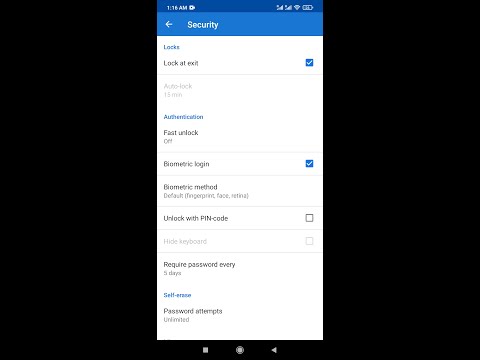
Transaction preview and signature verification are application-level defenses, but they work most effectively when combined with device-level security. The Solflare wallet extension supports biometric authentication on iOS and Android, requiring a fingerprint or face scan before any transaction can be signed. This creates a friction point that interrupts automatic or distracted signing. If a user is approving transactions rapidly, they must repeat the biometric unlock for each one, which gives them more opportunities to read the preview and reconsider.
Hardware wallet integration, particularly with Ledger devices, adds another layer. When a transaction is signed through a connected Ledger, the signature does not happen on the phone or computer where the wallet interface runs. Instead, the transaction is sent to the hardware device, which displays it on its own secure screen and requires physical confirmation. Even if the Solflare wallet extension interface has been compromised by malware, the actual signing happens in an isolated environment. The hardware device’s display is the source of truth about what is being signed.
For users holding significant SOL or high-value NFTs, hardware wallet signing is worth the additional friction. For smaller holdings or frequent transactions, the local biometric requirement may provide sufficient defense. The choice depends on how much loss would matter and how often the wallet is used. Solflare security is strongest when these layers reinforce each other: a clear transaction preview surfaces suspicious activity, biometric authentication prevents reflexive approval, and hardware signing ensures the transaction has not been altered after preview.
One subtlety deserves emphasis: hardware wallets do not eliminate the need for careful transaction review. If a user approves a malicious transaction on their Ledger’s screen without reading the preview, the hardware wallet’s isolation does not protect them. The device is secure, but user judgment is not hardened. The real value emerges when transaction clarity, authentication friction, and isolated signing all work together to create an environment where hasty decisions become unlikely.
What transaction preview cannot protect against
The most important boundary to understand is what transaction preview and signature verification do not address. They do not prevent a user from deliberately approving a malicious contract after full disclosure. If a user reads a clear transaction preview showing that they are granting approval to an unknown contract and proceeds anyway, the wallet has done everything it can. The decision is now in the user’s hands.
Transaction preview also cannot validate the security of a contract’s internal logic. A contract might be well-written and safe, or it might contain a hidden vulnerability that allows funds to be stolen. The preview shows what the contract is supposed to do based on its instructions, but not whether those instructions will execute correctly or whether the contract code contains backdoors. To assess contract security, a user would need to review the contract source code, look for audits from reputable security firms, or avoid the contract entirely.
Phishing remains a persistent vector that preview tools cannot fully address. If a user is tricked into visiting a fraudulent website that visually mimics a legitimate DEX, the actual contract address shown in the preview may belong to an attacker. The preview correctly displays what the contract is, but the user has already been deceived about which website they were on. This is why verification of URLs, use of bookmarks, and careful attention to security details matter as much as wallet-level protections.
Private key compromise is another boundary. If a user’s recovery phrase has been stolen, their device is infected with malware that logs keystrokes, or their credentials for a cloud backup service have been breached, transaction preview cannot help. The attacker can sign transactions from the user’s wallet without going through the preview interface at all. These are device-level and account-level risks that require separate protections: careful backup storage, antivirus software, unique passwords, and physical security of hardware devices.
Building a personal verification routine
The Solflare wallet extension provides the tools, but effective security requires a personal routine. Before signing any transaction, a user should develop a checklist. First, verify the website URL or application name. Is this really the DEX or service they intended to use? Typosquatting and phishing sites often mimic legitimate services closely enough to fool casual inspection.
Second, read the transaction preview carefully. Do the source and destination tokens match the intended swap? Is the amount what you expected? Are there unexpected approvals or unusual contract addresses? If the preview shows anything you do not recognize, stop and research it. Second, verify the contract address against a trusted source. Many popular contracts have well-known addresses published on official websites or blockchain explorers. Copy and paste the address from the preview into the explorer rather than trusting memory or a screenshot.
Third, consider the approval scope. If the transaction grants an approval, is it limited to the amount needed for this transaction, or is it unlimited? Can you revoke this approval later, or would you need to revoke and re-approve for future transactions? Some users prefer to set a small approval limit and accept the minor inconvenience of re-approving occasionally rather than maintaining a large standing authorization.
Fourth, take a step back if you are rushed or distracted. The worst time to review a transaction carefully is when you are hurried or when you have already committed emotionally to a purchase or trade. If you feel pressure to sign quickly, that is often a sign that something is not right. Many phishing sites use urgency as a tactic. If you feel genuinely rushed, close the browser tab, take a break, and come back when you can think clearly.
How Solflare’s approach compares to other wallets
Most major Solana wallets now include some form of transaction preview, but the quality and presentation vary significantly. Some wallets show decoded instructions only for well-known programs; for unknown contracts, they may display only raw data. The Solflare wallet extension attempts more comprehensive decoding, which can surface attacks hidden in less-documented contracts. This is not a complete defense—an adversary can create new contracts designed to be opaque—but it raises the baseline protection level.
Hardware wallet support is another differentiator. The Solflare wallet extension integrates with Ledger, which covers a large portion of users concerned with security. Some competing wallets may not offer hardware wallet support, or may support it only for basic transactions. For users holding substantial assets, hardware integration is often decisive in choosing between otherwise similar applications.
The biometric authentication requirement before signing is increasingly standard across mobile wallets, but some desktop extensions offer it only as an optional feature. Making it the default, as the Solflare wallet extension does, shifts the security burden from user choice to application design. Users do not need to remember to enable an extra security option; they encounter it every time they sign a transaction.
One limitation shared across most wallets is that transaction preview depends on contract transparency. If a contract uses obfuscated or dynamically generated instructions, even a sophisticated preview system may struggle to explain what will happen. This is why review of contract source code and security audits matter, and why interacting only with well-established, audited contracts is sound practice regardless of wallet features.
The future of wallet security on Solana
As attacks evolve, wallet defenses must evolve with them. One emerging approach is real-time contract risk scoring, where a wallet checks a contract address against known attack patterns, community reports, and security databases before allowing a transaction. The Solflare wallet extension could integrate with such services to warn users before they approve a contract that has been flagged by other users or security researchers. This is not foolproof—attackers can create new contracts faster than databases can be updated—but it can catch repeat offenders quickly.
Another development is simulation-based preview, where a wallet attempts to execute a transaction locally to see what would actually happen before the user signs. This could reveal hidden state changes or complex interactions that static analysis misses. The challenge is computational cost and accuracy: simulating every instruction of a complex contract takes time, and errors in simulation could provide false confidence.
Community-driven security is also gaining traction. If the Solflare wallet extension allowed users to flag contracts as suspicious and shared this information with other users through an encrypted network, each user would benefit from collective vigilance. The risk is that attackers could deliberately flag legitimate contracts, so such systems require reputation mechanisms to prevent abuse.
Ultimately, wallet security will remain a combination of technical controls and user awareness. No single feature can catch every attack. Even the most robust transaction preview and signature verification system depends on users actually reading what is shown, thinking critically about what they are approving, and having the discipline to stop when something does not make sense. The best wallet provides clarity, friction, and isolation; the user provides judgment.
Frequently asked questions
What does the Solflare wallet extension do if it detects a suspicious transaction?
The Solflare wallet extension displays a preview of what the transaction will do, including any contract interactions, token approvals, or unusual account accesses. It flags anomalies such as unexpected addresses or unusually large approvals, but ultimately the user must decide whether to approve. The preview is designed to surface information, not to block transactions automatically, because the wallet cannot always distinguish between legitimate complexity and hidden attacks.
Can I use the Solflare wallet extension with a hardware wallet like Ledger?
Yes. The Solflare wallet extension supports Ledger hardware wallet integration. When signing transactions through a connected Ledger device, the actual signature happens on the hardware wallet’s secure screen rather than on your computer or phone. This provides additional protection against malware or compromise of your primary device. You can review the transaction preview on the extension before confirming on the hardware device.
Does Solflare security mean I do not need to worry about phishing or malicious contracts?
No. The Solflare wallet extension’s transaction preview and signature verification tools reduce the risk of accidental approval, but they do not protect against deliberate deception or all attack vectors. You are still responsible for verifying website URLs, checking contract addresses against trusted sources, and avoiding contracts that lack audits or reputation. Security is a combination of wallet features and user judgment; neither alone is sufficient.