
Understanding the Impact of Non-Operation Days in UK Horse Racing
Horse racing is a cherished sport in the UK, celebrated for its thrilling events, rich history, and the intricate strategies involved in betting. However, there are days when UK horse racing is not on, and these occasions can be confusing for fans and bettors alike. Understanding why races are sometimes paused, along with how to navigate the betting landscape during these periods, is essential for all enthusiastic followers of this beloved pastime. This article delves into the reasons behind the non-operation days in UK horse racing, and how you can still engage with the sport through UK horse racing not on GamStop horse racing betting not on GamStop.
Reasons for Non-Operation Days
There are several reasons why UK horse racing may not be scheduled on certain days. Here’s an overview of the most common factors:
1. Scheduled Breaks
Racecourses in the UK often have designated schedules that include breaks or rest days. These scheduled non-operation days allow for the maintenance of tracks and facilities, ensuring that both horses and bettors can enjoy optimal conditions during racing events. During these times, essential services are carried out, including track repairs, reconditioning of stables, and other logistical arrangements necessary for ongoing events.
2. Weather Conditions
Adverse weather can have a significant impact on horse racing. Heavy rain, snow, or extreme heat may render tracks unsafe for racing. In such cases, racecourses may call off scheduled events to protect the horses, jockeys, and spectators. The decision to cancel races due to weather is typically made with the safety of all parties involved in mind, adhering to strict guidelines set by regulatory bodies.
3. Health and Safety Regulations
The welfare of the horses and jockeys is paramount in horse racing. If there are concerns regarding animal health, the presence of disease outbreaks, or other health-related issues, races may be suspended as a precautionary measure. Regulatory bodies closely monitor the situation and take necessary actions to prevent any potential risks.

4. Special Events
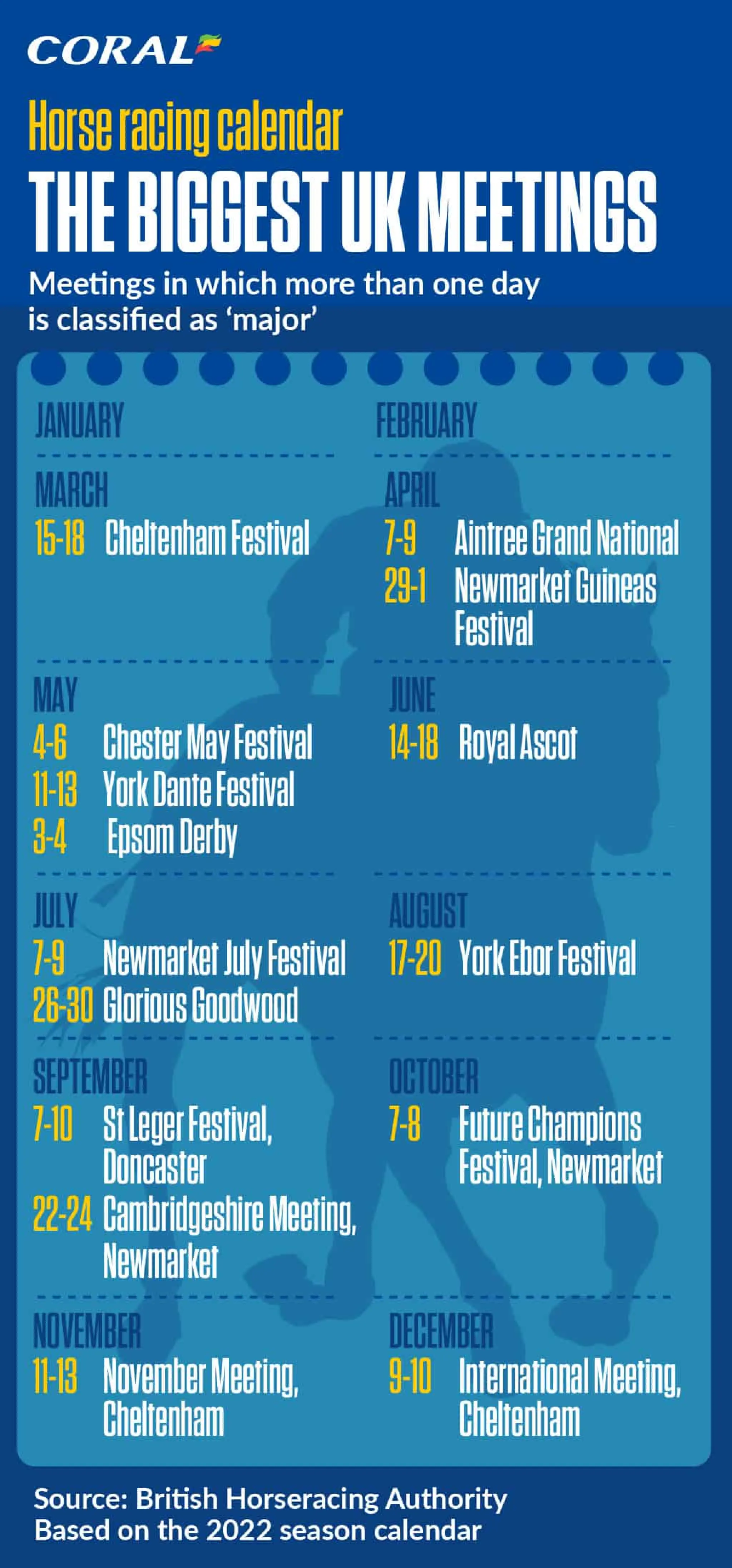
Occasionally, large-scale events, such as festivals or holidays, may affect the racing schedule. Major events such as Cheltenham Festival or Royal Ascot are often followed by rest periods to allow course staff and horses to recover from the intensity of these busy events. While fans often look forward to such thrilling races, it is crucial to recognize the need for breaks in between these highlights.
Implications for Bettors
For bettors, non-operation days can create a sense of uncertainty. Betting markets may temporarily dissolve, and gamblers must adapt to the hiatus in races. Here are a few important considerations for bettors during these non-operation periods:
1. Research Alternatives
While horse racing may not be occurring, there are often other betting opportunities available. Many betting platforms offer markets for sports like football, cricket, and tennis, among others. Engaging in these alternatives allows bettors to stay active and, more importantly, continue to hone their skills and strategies.
2. Analyze Past Performances
Utilizing the downtime on non-operation days is an excellent opportunity to analyze past performance data. Studying previous races, jockeys, and horse statistics can offer valuable insights for upcoming events. This strategy helps bettors make informed decisions once racing resumes.
3. Explore Online Betting Platforms
Many online betting platforms offer virtual simulations of horse races or alternative betting games. These virtual races can provide entertainment and the thrill of betting while adhering to the core of horse racing. Exploring these options might help keep the excitement alive, brining an element of fun during the downtime.
Staying Engaged During Downtime
Even if horse races are not on, there are numerous ways for fans and bettors to maintain their connection to the sport. Here are some suggestions:
1. Engaging with Horse Racing Communities
Online forums, social media groups, and fan clubs can allow you to discuss opinions, insights, and experiences with fellow enthusiasts. By participating in discussions, players can learn from each other, share tips on betting strategies, and keep the passion for racing alive.
2. Watching Horse Racing Documentaries
Documentaries about horse racing can provide a deep dive into the sport’s history, showcasing legendary horses, significant races, and the lives of trainers and jockeys. These resources can bring perspective and appreciation for the sport beyond the betting aspect.
3. Attending Non-Racing Events
Many racecourses offer non-racing events such as fairs, concerts, or food festivals. Attend these gatherings to connect with other fans and maintain your association with the track, making the experience more holistic and community involved.
Conclusion
While non-operation days in UK horse racing can be challenging for fans and bettors, they also present an opportunity for growth and engagement. Understanding the reasons behind these breaks, staying informed through alternatives, and participating in community activities can enhance your appreciation of this time-honored sport. Remember, the thrill of horse racing will always return, so use this time wisely to prepare for future races and bet with confidence when the gates open once again.